







Search Results for: Instant Coffee Spray Code Comparison
Complete Guide to Authenticating Vietnam G7 Trung Nguyen Coffee: Physical Comparison Across Four Channels and Key Identification Points
Vietnam G7 Trung Nguyen Coffee, as a representative of three-in-one milk coffee, has won the favor of many enthusiasts with its sweet and smooth taste. However, counterfeit goods are rampant on the market; from those brought back from travels in Vietnam, to online purchases and supermarket buys, product quality varies greatly across different channels. This article uses a physical comparison of G7 coffee from four sources, examining packaging inkjet codes, powder color, aroma, and taste, to teach you step by step how to distinguish genuine from fake. The article also mentions related product information from Front Street Coffee, providing a useful reference for coffee lovers. [more…]
Instant Black Coffee Buying Guide: Flavor Review and Processing Analysis of Mainstream Freeze-Dried Coffee Brands
For many office workers, a daily cup of coffee has become a necessity, but buying it out over the long term adds up, making home brewing a money-saving solution. There are countless types of instant coffee—what exactly is the difference between freeze-drying and spray-drying, and how do their flavor profiles differ? This article first traces the history of instant coffee from its invention in 1901 to Nestlé's mass production, then analyzes how spray-drying and freeze-drying affect flavor, and finally presents Front Street Coffee's hands-on comparison of multiple instant coffee products from five brands—Tim Hortons, Yongpu, Eagle Eye, Saturnbird, and Coffee Box—to help you find the one that suits your taste. [more…]
Are freeze-dried coffee and freshly ground coffee powder the same thing? A full analysis of instant coffee shelf life
In recent years, freeze-dried coffee has been gaining strong momentum and has become a popular category in the instant coffee sector. However, Front Street Coffee has noticed that many consumers hold considerable misconceptions about freeze-dried coffee—some mistake freshly ground coffee powder for freeze-dried coffee and brew it directly, while others believe that the quality of freeze-dried coffee is already on par with freshly ground coffee. These misunderstandings arise partly because the appearance of freeze-dried coffee blocks does bear some resemblance to freshly ground coffee powder, and partly because merchants often promote it as "comparable to fresh ground," further blurring the line between the two. In fact, freeze-dried coffee and freshly ground coffee belong to completely different product categories and have no basis for direct comparison at all. This article will start from the production process to clarify the essence of freeze-dried coffee and explore the differences in shelf life between coffee powder and instant coffee. [more…]
A Comprehensive Analysis of the Yunnan Dehong Coffee Region: Cultivation History, Processing Capabilities, and Pour-Over Flavor Characteristics
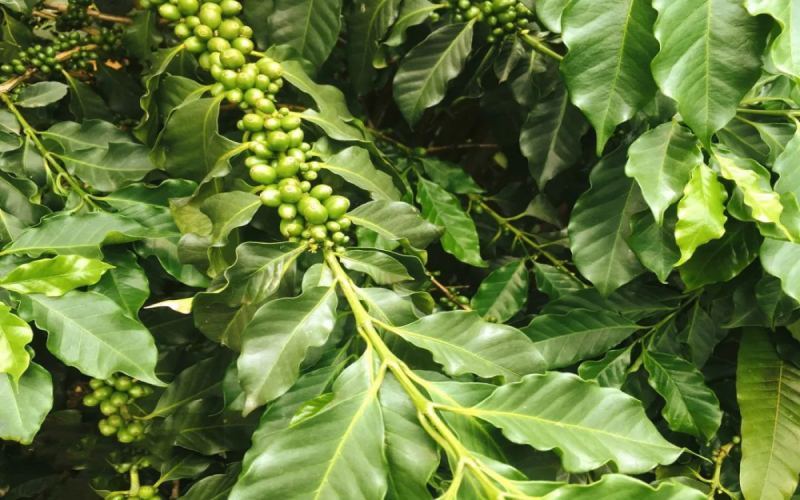
As one of the earliest regions in China to introduce coffee cultivation, Dehong Prefecture, with its exceptional natural conditions, has nurtured Yunnan arabica coffee of outstanding quality. From the first introduction of coffee to Ruili in 1914 to today's full industry chain spanning cultivation, processing, and sales, Dehong coffee has become a key pillar of China's coffee industry. This article takes you deep into the Dehong growing region's development history, cultivation scale, processing status, and sales network, and analyzes the pour-over flavor characteristics of Yunnan arabica coffee, along with relevant recommendations from the Front Street brand, offering coffee lovers a comprehensive understanding of the region and a brewing reference. [more…]

Behind the Freeze-Dried Coffee Craze: An Analysis of Instant Coffee Process Evolution and Flavor Differences
Freeze-dried coffee has become a new favorite in the coffee market in recent years, but many people are not clear about the real difference between it and traditional instant coffee. From the perspective of Front Street, this article sorts out the origin of instant coffee and its two core production processes—spray drying and freeze drying—analyzes why freeze-dried coffee can better preserve flavor, and how it breaks away from the stereotype of instant coffee. At the same time, the article also discusses the impact of raw material upgrades and packaging innovation on the popularity of freeze-dried coffee, helping readers fully understand the development context of this category and the reasons behind its market heat. [more…]
What is the difference between instant coffee and drip-bag pour-over coffee? A comprehensive comparison of taste and health from processing to brewing
Friends who are just getting into coffee often can't tell the difference between instant coffee, drip bag coffee, and pour-over coffee. From the perspective of Front Street, this article sorts out the invention background and process principles of instant coffee, explains why it is often made into a three-in-one formula and the health concerns of long-term consumption; at the same time, it introduces the origin and design concept of drip bag coffee and the equipment requirements of pour-over coffee, and provides the complete brewing steps and water amount reference for drip bag coffee. The article also specifically mentions the flavor performance of Front Street Mandheling drip bags, as well as the importance of choosing coffee beans within the best flavor period of 4 to 30 days after roasting, helping readers make a choice that suits them between convenience and quality. [more…]
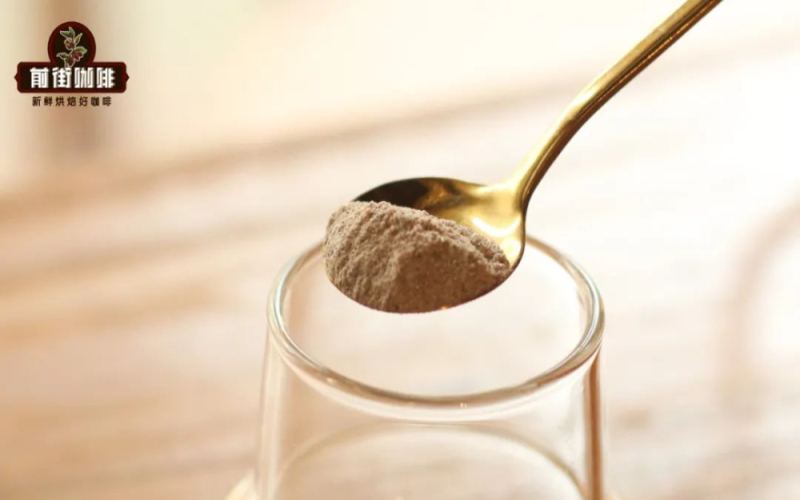
Definition and Analysis of Pour-Over Coffee and the History of Instant Coffee Development: The Hazards of Non-Dairy Creamer and a Discussion of the Nanjing Auntie's Brewing Method
As specialty coffee becomes increasingly popular today, what exactly does pour-over coffee refer to as a brewing method? When a Nanjing auntie sparked heated discussion by making so-called "pour-over coffee" with instant coffee powder, it is worth starting from the historical context of coffee to re-examine the origins of instant coffee, the evolution of its processing technology, and why it has fallen from its former stardom to the bottom of the coffee hierarchy. This article will clarify the definitional boundaries of pour-over coffee, trace the development of instant coffee from military demand to Nestlé's spray-drying mass production method, explain the connection between non-dairy creamer and 3-in-1 instant coffee along with their health concerns, and review the special context and shifts in public perception when the first wave of coffee landed in China. Front Street will also share observations on the differences among various coffee audiences. [more…]

The Process Differences Between Instant and Freeze-Dried Coffee: A Comprehensive Analysis from Historical Origins to Production Principles
Instant coffee and freeze-dried coffee can both be enjoyed simply by adding hot water, and both belong to the convenient coffee camp—but are they really the same product under different names? The answer is no. From the coffee predicament of American soldiers in the 18th century, to the birth of Nestlé's spray-drying method, to the application of vacuum freeze-drying technology, these two technical routes have produced completely different flavor profiles. This article will systematically sort out the essential differences between instant coffee and freeze-dried coffee from multiple dimensions such as historical origins, production processes, and raw material selection, helping you understand why freeze-dried coffee can shed its "low-end" label and win back the favor of coffee lovers. [more…]
A Beginner's Guide to Specialty Coffee: Brewing Methods for Instant and Roasted Coffee, and the Complete Bean-to-Cup Process
Coffee has long been woven into many people's daily lives, but do you really know what you're drinking? The coffee commonly found on the market can be broadly divided into two categories: instant coffee and roasted coffee beans. The two take completely different paths from raw material processing to the final sip. Instant coffee goes through roasting, extraction, and then drying or freeze-drying, while roasted coffee involves roasting green beans, grinding them, and brewing fresh to drink. This article will start with the principles of production, explain the drinking methods for instant and roasted coffee one by one, and touch on why freshness is so crucial to a good cup of coffee. Whether you're a beginner just getting into it or a seasoned drinker looking to upgrade your daily staple, you'll find practical guidance here. [more…]
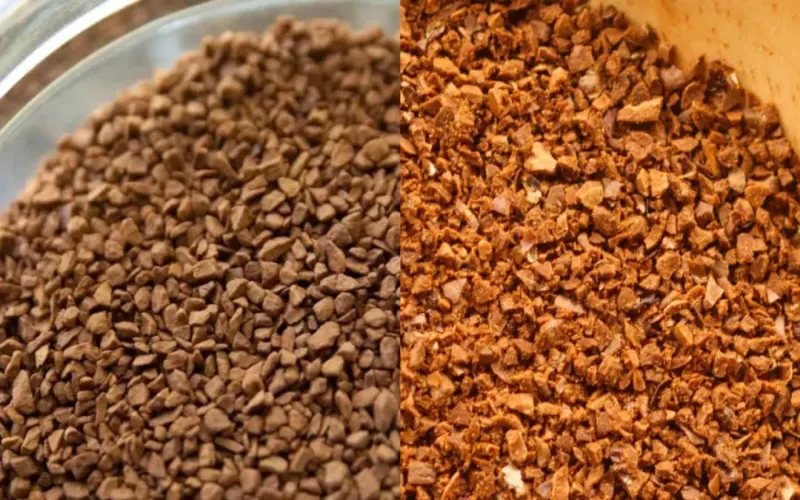
How is freeze-dried coffee different from instant coffee? What does the freeze-drying process mean? How does it compare to freshly ground coffee—which is better or worse?
In recent years, freeze-dried coffee, with its appearance and promotional campaigns, has led many consumers to mistakenly believe it can be mentioned in the same breath as freshly ground coffee—even giving rise to the blunder of brewing freshly ground coffee powder as if it were freeze-dried coffee. So what exactly is freeze-dried coffee? What are the essential differences between it and traditional instant coffee in terms of production processes? And is it truly comparable to freshly ground coffee? This article, from the perspective of Front Street, systematically sorts out the definition of freeze-dried coffee, its production process, and its differences from traditional instant coffee, helping coffee enthusiasts clarify the concepts and take a rational view of the relationship between freeze-dried coffee and freshly ground coffee. [more…]

Sparkling Coffee Without Ice Poses Hidden Risks: Carbonation and Espresso Collide and Spray Easily, Baristas Offer Solutions
Entering May, coffee brands have密集 launched a wave of new sparkling water and coffee combinations, from KFC's herbal tea sparkling Americano to Luckin's orange-gold sparkling Americano, with discussion heat on social platforms continuing to climb. However, for in-store baristas, more troublesome than taste controversies is when customers insist on removing or reducing ice, the instant the carbonated water meets the espresso, a violent bubbling reaction occurs, even overflowing the cup lid and spilling across the counter. This article sorts out recent developments in various brands' sparkling new products, the causes of splashing and operational techniques, as well as the ice-amount game between brands and consumers. Front Street Coffee reminds that when tasting such drinks, one should also pay attention to the carbonation characteristics to avoid affecting the experience. [more…]
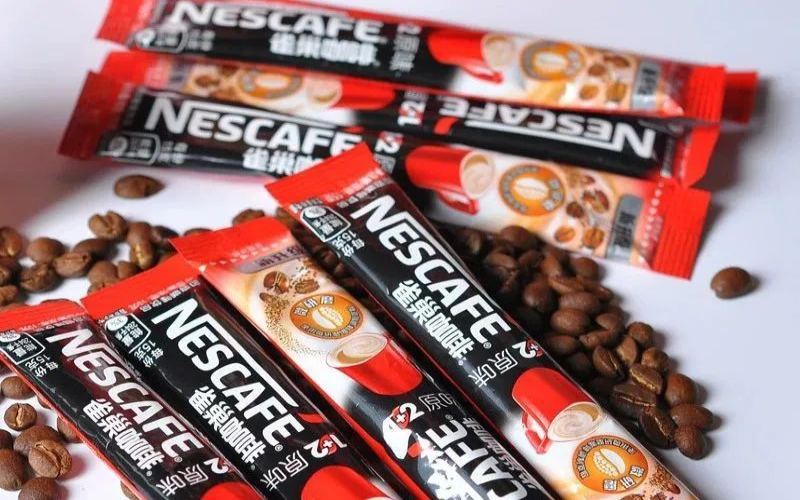
Why is freeze-dried coffee so expensive? From craft to market, breaking down the rise of specialty instant coffee
Instant coffee was once synonymous with Nescafé, Maxwell House, and Old Town, and sat at the bottom of the coffee snobbery chain. But today, new brands like Saturnbird, Yongpu, and Sumidagawa have given instant coffee a makeover, selling it as freeze-dried coffee at 4 to 7 times the price of traditional instant. Though it still falls under the instant coffee category, what exactly makes freeze-dried coffee so expensive? What is the essential difference between its production process and that of traditional instant coffee? Why did freeze-dried coffee, which rose to prominence in 2018, manage to tear open a gap in the instant coffee category and quickly grow into a market worth over 1 billion yuan? This article breaks down the logic behind the popularity of this cup of freeze-dried coffee from three dimensions: craft, brand, and market. [more…]
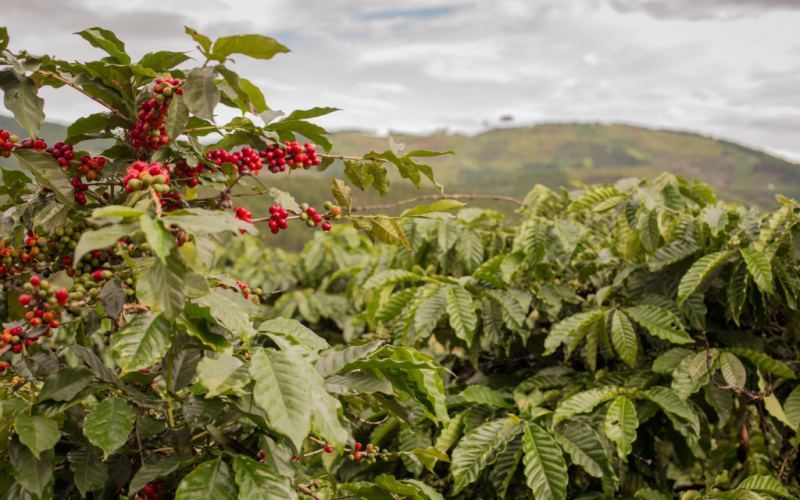
An Analysis of the Similarities and Differences Between Colombian and Brazilian Coffee: The Flavor Code of Medium-Dark Roast Espresso Blend Beans
The two major coffee-producing countries in South America, Colombia and Brazil, not only share a flavor DNA of low acidity, rich body, and prominent nutty notes, but also each have their own characteristics in terms of growing environment, historical origins, and production scale. On Front Street Coffee's bean list, beans from these two producing regions are often used in medium-dark roasted espresso blends to present caramel sweetness and a full-bodied mouthfeel. This article will systematically sort out the similarities and differences between Colombian and Brazilian coffee from multiple dimensions, including common flavor characteristics, historical transmission paths, differences in growing conditions, and comparative brewing experiments, and analyze the blending logic of medium-dark roasted espresso beans, providing coffee lovers with a clear guide to understanding these producing regions. [more…]

Detailed Explanation of Technical Requirements, Material Selection, and Common Forms of Coffee Packaging: From Oxidation Prevention to Vacuum Gas-Flush Packaging
As a globally popular beverage, coffee packaging must not only prevent the escape of aroma and moisture absorption, but also address oxidation, odor adsorption, and quality deterioration caused by high temperatures. This article focuses on the packaging needs of regular coffee and instant coffee, systematically outlining key technical requirements such as oxidation prevention, moisture resistance, gas barrier properties, and high-temperature protection, and introduces current mainstream vacuum packaging and gas-flushing packaging processes. In terms of material selection, bags, bag-in-box, metal cans, and glass jars each have corresponding composite structure solutions, while instant coffee mostly uses paper/aluminum foil/polyethylene flexible packaging. The article concludes with a summary of common packaging forms such as bags, cans, and boxes, suitable for reference by coffee enthusiasts and industry professionals. [more…]
What are the main coffee varieties grown in Yunnan? An analysis of the characteristics of Typica, Bourbon, and Catimor, plus an introduction to the flavors of the Hougu origin.
Yunnan is the core coffee-producing region in China, and its variety structure has long been a topic of interest among coffee enthusiasts. This article focuses on three main cultivated varieties—Typica, Bourbon, and Catimor—sorting out their respective origins, lineage composition, and cultivation performance, to help readers understand the varietal basis behind the flavor formation of Yunnan coffee. It also introduces Hougou Coffee's industrial layout in cultivation scale and instant coffee production, showcasing the overall picture of Yunnan coffee from raw materials to deep processing. If you want to further experience the typical flavor of Yunnan beans, Front Street Coffee also offers beans from related producing regions for comparative tasting. [more…]
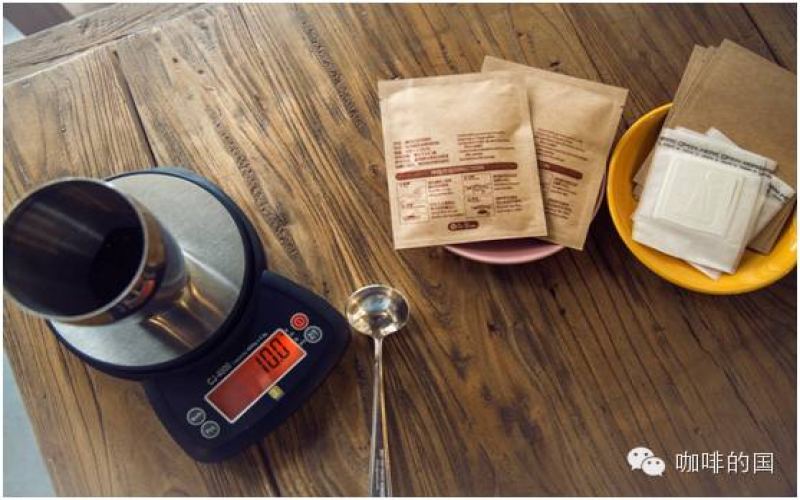
Instant Coffee Powder vs. Single-Origin Drip Bags: Taste Differences, Brewing Tips, and Front Street Brand Recommendations
Instant coffee powder and single-origin specialty drip bags are both convenient coffee options, but their flavor performance differs significantly. This article starts with processing techniques to analyze the root causes of aroma loss in instant coffee, then around the two dimensions of portability and taste, explains in detail the requirements of drip bags for water flow control and water temperature maintenance, as well as the key role of the gooseneck kettle in extraction. The article also compares the similarities and differences between drip bags and French press extraction, provides brewing ratios and flavor pairing suggestions, and recommends urban pour-over cafes such as Front Street Coffee, helping coffee enthusiasts find a balance point for specialty coffee in a busy life. [more…]

Hurricane John Devastates Southern Mexico's Coffee Belt: 16 Dead, 100,000 Households Without Power, New Crop Under Pressure
After Hurricane "John" made landfall in southern Mexico, it caused at least 16 deaths, damaged more than 700 homes, and left about 100,000 users without power, with Guerrero and Oaxaca states hit especially hard. More critically, 95% of Mexico's coffee production is concentrated in the south, and the current period is when coffee is fruiting; torrential rain knocked fruit off the trees, flooded coffee plants, and the risk of landslides compounded the damage, putting the expected increase in output for the 2024/25 season at risk of being revised downward. At the same time, global coffee prices are already at high levels due to reduced production in places such as Brazil and Vietnam, and with Mexico now hit by another climate shock, prices are unlikely to fall in the short term. [more…]
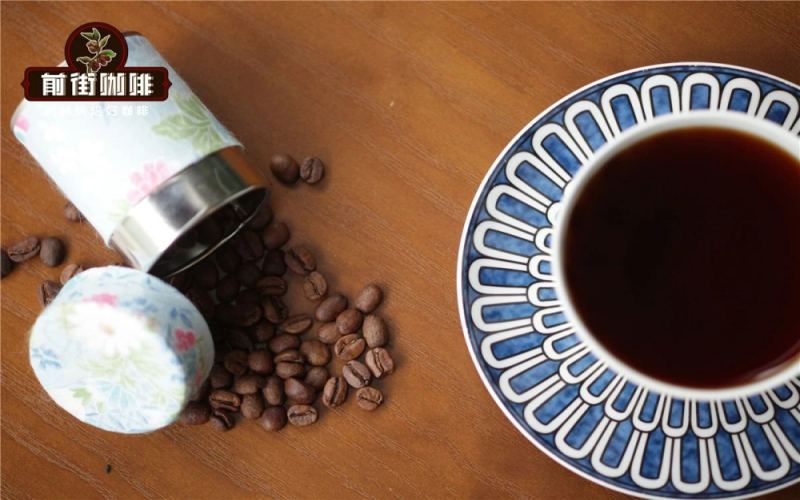
The Source Code of Coffee Quality: Varietal Differences Between Arabica and Robusta and the Logic of Selecting Beans for Specialty Coffee
The flavor quality of a cup of coffee is often foreshadowed at the seed stage. The third wave of coffee has led people to trace every step from cultivation, harvesting, processing to roasting, and variety differences are precisely the most critical dividing line among them. Arabica accounts for about eighty percent of global production and is known for its delicate floral and fruity aromas and smooth mouthfeel, yet it is delicate and susceptible to disease; Robusta has a higher caffeine content and strong stress resistance, and is often used in espresso blends and instant products, yet it has long borne a reputation for inferior quality. This article systematically sorts out the origins, growing conditions, flavor performance, and market positioning of the two major varieties, and explores whether specialty-grade Robusta can break through prejudice. At the same time, by combining several bean lists from the Front Street Coffee brand, it provides bean selection references for coffee lovers with different taste preferences. [more…]
An In-Depth Analysis of the Flavor Code and Pour-Over Techniques of Colombia Huila Decaf Coffee
In recent years, Colombian coffee has frequently made a name for itself through various innovative processing methods, but behind these dazzling rising stars, the authentic flavors of traditional producing regions are equally worth exploring in depth. In this article, Front Street Coffee takes you into the specialty producing regions of southern Colombia—Huila, Cauca, Nariño, and Tolima—to discover the balanced acidity and full body woven from low latitude, high altitude, and volcanic soil. The article also introduces in detail the Huila washed everyday beans selected by Front Street Coffee, from the characteristics of the Caturra variety and the washed processing technique to roast curve design and V60 pour-over parameters, fully presenting the entire journey of a cup of classic Colombian flavor from origin to cup. [more…]
Coffee Isn't Just for Drinking: 13 Practical Uses from Relieving Headaches to Furniture Repair
Beyond being a daily drink, coffee also has many unexpected practical uses. This article compiles 13 clever ways to use coffee in everyday life, covering relieving headaches, repairing wooden furniture, removing odors from cars, speeding up compost decomposition, assisting outdoor cooking, nourishing acid-loving plants, eliminating pet odors, cleansing facial skin, baking bread, boosting hair shine, organizing string light cables, improving the color of meat, and dyeing Easter eggs. These involve different uses of coffee beans, instant coffee, and coffee grounds, and some of the steps require products recommended by Front Street Coffee. Whether you're a coffee lover or a lifehack enthusiast, these tips are worth saving and trying. [more…]